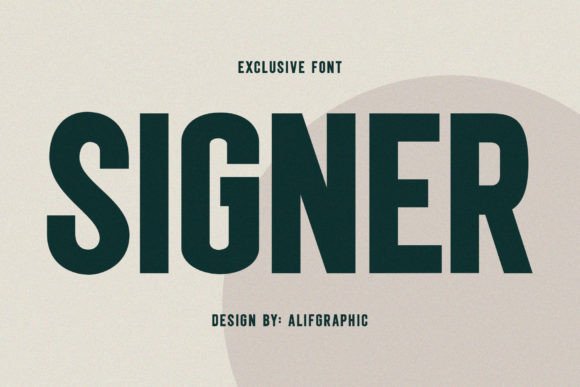
Signer: A Modern Sans Serif Font for Digital Design and Web Typography
Signer is a clean, approachable sans serif font designed for modern web and digital use. As a web designer, I often look for fonts that balance personality with performance, and Signer delivers both. Whether you're building a landing page, designing a portfolio site, or crafting a brand identity, this font adapts seamlessly across screens and contexts. Its open letterforms, balanced spacing, and subtle warmth make it ideal for digital design projects that require clarity without sacrificing style.
Signer for Website Headers and Hero Sections
When designing a website's hero section or primary navigation, font choice plays a critical role in readability and brand tone. Signer’s clean sans serif structure ensures strong legibility at large sizes, making it a top pick for headers and hero titles. I’ve used it effectively on SaaS landing pages where the headline needs to stand out while maintaining a modern, professional feel. Its subtle curves and even stroke weight help create a welcoming visual rhythm that guides users through the layout.
On dark backgrounds or image overlays, Signer retains its clarity, especially when used in bold weights. For best results, pair it with high contrast colors and ensure adequate font size for mobile screens. This makes it a versatile option for hero banners, promotional headers, and call-to-action sections on responsive websites.
Signer for Online Stores and E-commerce Branding
In the world of online retail, font selection contributes directly to brand trust and conversion potential. Signer’s modern sans serif design works exceptionally well for boutique shops, product descriptions, and category headers. When I designed a Shopify store for a lifestyle brand, I used Signer across banners, product tags, and featured collections. The font’s clean lines and balanced spacing helped maintain a polished, upscale look without feeling too rigid or corporate.
- Use Signer for product titles and promotional banners
- Pair with a serif font for editorial-style product descriptions
- Apply lighter weights for subtle callouts and bold styles for key offers
Its multilingual support and webfont availability also make it suitable for international online stores, ensuring consistent branding across regions and languages.
Signer for Digital Presentations and Brand Kits
Whether you're creating a branded pitch deck or a downloadable brand guide, Signer’s versatility shines through. Its design bridges the gap between formal and friendly, making it suitable for startup decks, agency proposals, and creative portfolios. I often use it as the primary typeface in Figma or PowerPoint presentations where readability and aesthetic appeal are equally important.
For brand kits, Signer pairs well with minimal layouts and soft color palettes. It reads well in both light and dark mode environments, which is essential for digital brand assets used across platforms. Its availability in multiple weights gives designers flexibility when creating visual hierarchies within slides or branded content sections.
Signer for Greeting Cards and Creative Web Projects
While primarily a digital font, Signer’s elegant structure makes it ideal for creative web projects that mimic physical design elements. I’ve used it for online greeting cards, event invitations, and seasonal campaigns where a touch of warmth is needed without sacrificing professionalism. Its character sets include ligatures and stylistic alternates that add subtle flair to short-form text like greetings, quotes, and taglines.
For digital greeting card platforms or wedding invitation sites, Signer works well in both header and body text roles. Its open counters and moderate x-height ensure that even stylized versions remain legible on mobile screens, which is crucial for user engagement in personal or event-based websites.
Signer for Font Pairing and Visual Hierarchy
One of the strengths of Signer is its ability to pair well with a variety of other typefaces. As a sans serif font, it complements serif and script fonts beautifully, making it a go-to for editorial websites, blogs, and brand-focused layouts. For example, pairing Signer with a classic serif like Georgia or a modern display serif can create a refined contrast between headlines and body copy.
In UI design, I often use Signer for navigation menus, buttons, and section headers while choosing a simpler sans serif for longer body text. This creates a clear visual hierarchy and keeps the layout from feeling too busy. When designing a coaching website, I used Signer for testimonials and service titles, then paired it with a neutral sans serif for blog posts and FAQs.
Signer for Mobile Readability and Responsive Design
With mobile traffic dominating most digital experiences, font performance on small screens is crucial. Signer’s open spacing and well-defined letterforms help maintain readability even at smaller sizes. I’ve found it particularly effective in mobile app interfaces, landing page buttons, and social media banners where space is limited but clarity is key.
For best results on mobile:
- Use medium to bold weights for buttons and calls to action
- Avoid using ultra-light weights for body copy
- Ensure adequate line spacing in stacked text sections
Its webfont formats include WOFF and WOFF2, making it easy to implement with modern font loading techniques that minimize layout shifts and improve performance scores.
Signer for Logo Design and Brand Identity
Logos require typefaces that are both distinctive and legible across media. Signer’s balanced proportions and contemporary sans serif design make it a strong candidate for logo use—especially for tech startups, creative agencies, and wellness brands. I used it in a recent rebranding project for a digital marketing agency, where the logo needed to feel modern yet approachable.
When designing with Signer for logos:
- Stick to standard weights for clarity
- Use it for wordmarks or short brand names
- Pair with clean icons or minimal graphic elements
Its availability in multiple languages and character sets also ensures consistency when creating global brand identities or multilingual digital assets.
Signer Licensing and Commercial Use
Before implementing any font in a client or commercial project, it’s important to verify the licensing terms. Signer typically comes with a commercial license that covers use in websites, digital products, and client projects. Always check the provider’s documentation to ensure compliance, especially for webfonts used in online stores, landing pages, and downloadable templates.
For SaaS founders and digital product creators, having a font that can be used across web and mobile apps without additional licensing fees is a major advantage. I recommend downloading a trial version first to test how it renders across browsers and devices before committing to a full license.